 (248) 376-8991




The Homeowner's Guide to Stopping Weeds Before They Start
![[HERO] The Homeowner's Guide to Stopping Weeds Before They Start](https://cdn.marblism.com/GBdUgInuILv.webp)
Happy St. Patrick’s Day! It’s Tuesday, March 17th, and while everyone is focused on "the green" today, at Sunnydale Lawn Care LLC, we’re focused on making sure your lawn stays the right kind of green all season long.
Right now, beneath the surface of your soil, a silent battle is brewing. Millions of tiny seeds from crabgrass, dandelions, and chickweed are just waiting for the thermometer to hit a specific number so they can explode across your yard. If you wait until you see them to start your weed control service, you’re already playing defense.
The secret to a magazine-worthy lawn isn’t just about having the best weed killer for grass; it’s about making sure those weeds never see the light of day in the first place. That is where pre-emergent weed control comes in.
What is Pre-Emergent Weed Control?
Think of pre-emergent as an invisible security fence for your lawn. Technically speaking, a pre-emergent is a type of herbicide that targets weed seeds as they begin to germinate. It doesn’t actually stop a seed from "waking up," but it creates a chemical barrier in the top layer of soil. When the seed sprouts and its first little root (the radicle) hits that barrier, the plant is unable to grow further and dies before it ever breaks through the surface of the grass.

This is why timing is everything. If the weed has already popped its head up through the dirt, the "fence" is already behind it, and the pre-emergent won't do a thing. At that point, you’re forced to use post-emergent herbicides, which are often harsher and more expensive.
The Science of Timing: Why March is the Golden Window
In our neck of the woods, the most common question we get is, "When should I put down weed preventer?"
The answer isn't a specific date on the calendar; it’s a temperature on the thermometer. Specifically, we are looking at soil temperatures. Most invasive weeds, especially the dreaded crabgrass, begin to germinate when the soil temperature consistently hits 55 degrees Fahrenheit for several days in a row.
By the time we hit mid-to-late March, the sun is staying out longer and the ground is starting to hold onto that heat. Applying pre-emergent right now ensures that the barrier is fully established before that 55-degree threshold is met. If you wait until the Forsythia bushes (those bright yellow flowering shrubs) have finished blooming and are dropping their petals, you’ve likely missed the window for peak effectiveness.
Why "Stopping" is Better Than "Killing"
Many homeowners fall into the trap of thinking they can just spray weeds as they see them. While we certainly offer professional lawn care solutions for existing weeds, prevention is always the superior strategy for three main reasons:
- Density: Every weed that grows is taking up space, water, and nutrients that should be going to your grass. By preventing them, you allow your turf to grow thicker and fill in bare spots.
- Labor: It is much easier (and cheaper) to apply a preventative treatment than it is to spend all summer spot-treating patches of clover or hand-pulling stubborn dandelions.
- Aesthetics: Post-emergent killers often take 7–14 days to work, leaving you with yellowing, dying weeds in your yard for two weeks. With pre-emergent, the weeds simply never appear.
Common Weeds We’re Targeting Right Now
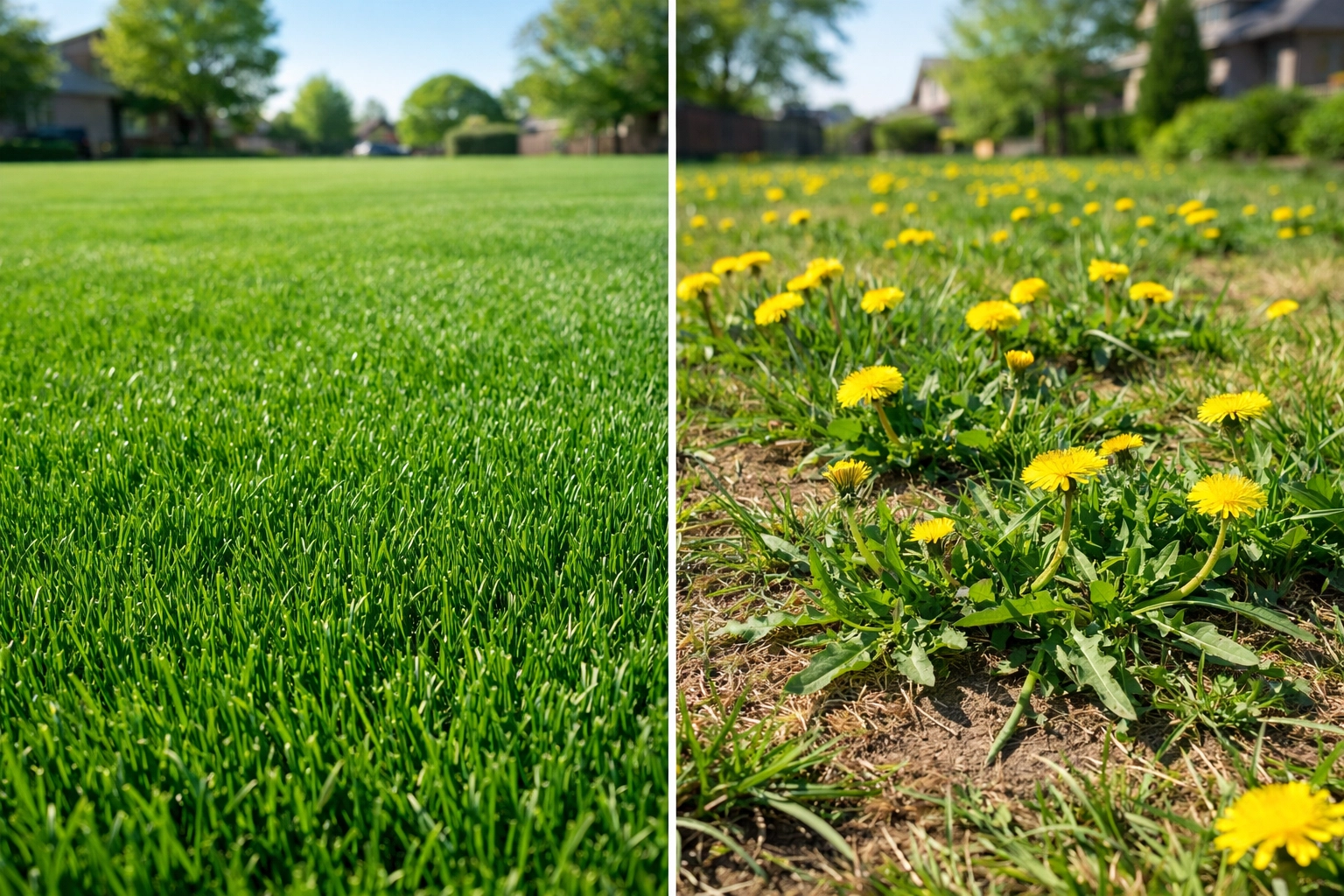
While crabgrass is the "big bad" of the lawn world, our spring weed control service targets a variety of nuisances:
- Crabgrass: An annual grass that can produce up to 150,000 seeds per plant. Once it takes over, it’s incredibly tough to get rid of without damaging your good grass.
- Common Chickweed: This winter annual loves the cool, moist soil of early spring. It forms thick mats that can smother your lawn.
- Henbit: You’ve probably seen those tiny purple flowers popping up in mulch beds or thin lawn areas lately. That’s henbit, and it’s a sign your soil is ready for treatment.
- Foxtail: Similar to crabgrass, this grassy weed thrives in the heat but starts its journey in the early spring soil.
Cultural Practices: How You Can Help the Barrier
While we handle the heavy lifting with professional-grade applications, there are a few things you can do to make sure our weed killer for grass works at 100% efficiency.
1. Don’t Disturb the Soil
The pre-emergent barrier lives in the top half-inch of your soil. If you decide to do heavy raking, aerating, or digging after the treatment has been applied, you’re essentially "breaking the seal." This creates an opening where weed seeds can reach the surface and grow. If you’re planning on aeration and seeding, that’s a conversation we should have before we put down the pre-emergent.
2. Mow High
One of the best natural defenses against weeds is shade. By keeping your mower blade at 3.5 to 4 inches, you allow the grass blades to shade the soil. This keeps the soil cooler (delaying weed germination) and prevents sunlight from reaching any seeds that might have found a gap in the barrier.
3. Water It In
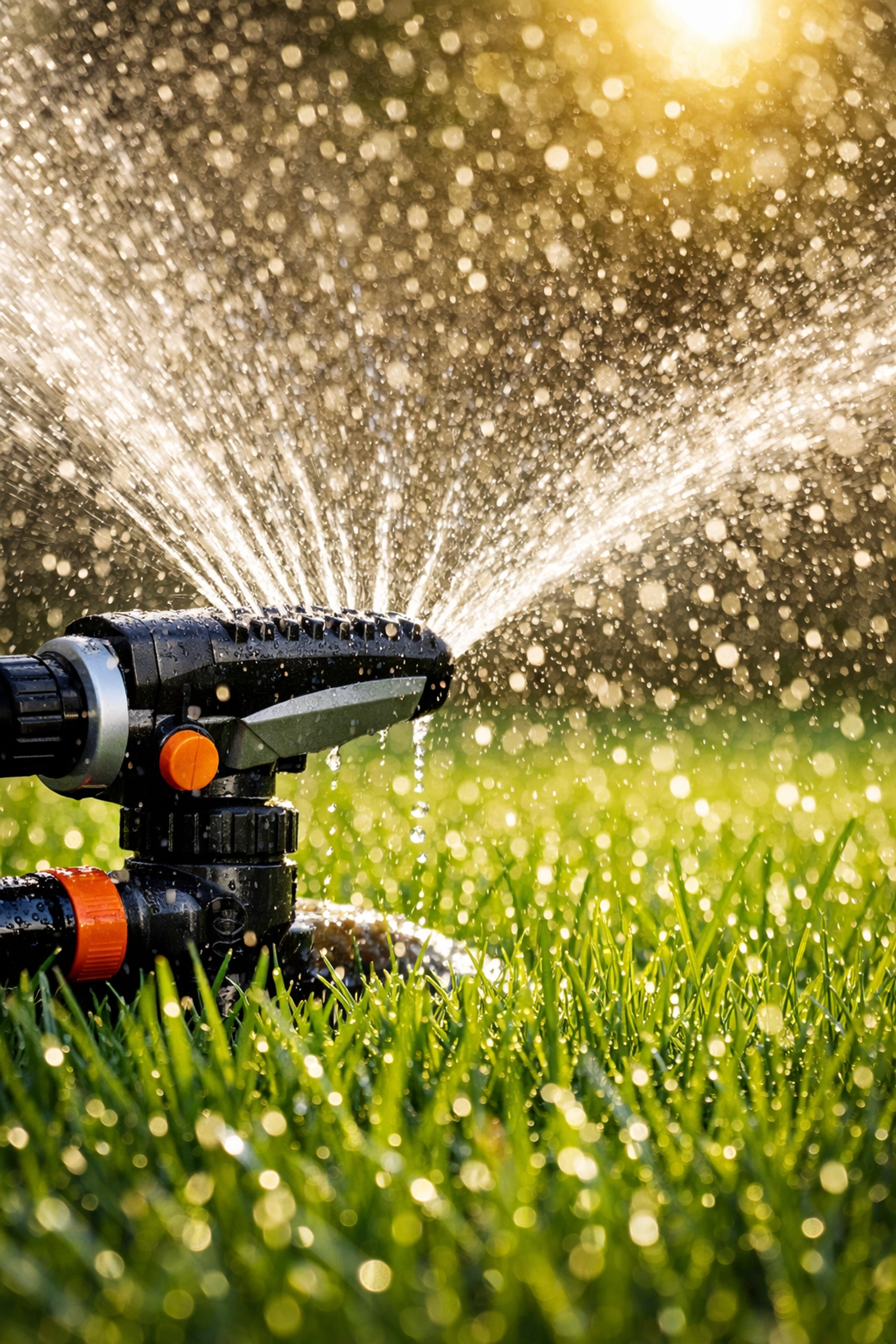
Most pre-emergent products require about a half-inch of water to "activate" and move the product into the soil surface. If we don't have rain in the forecast within 48 hours of our visit, giving your lawn a light watering will help lock that protection in place.
Frequently Asked Questions (Q&A)
Q: Can I plant grass seed and put down pre-emergent at the same time?
A: Generally, no. Pre-emergent is designed to stop seeds from growing, and it doesn’t know the difference between a crabgrass seed and a high-quality Kentucky Bluegrass seed. If you put both down, your new grass will never sprout. If you have bare patches that need fixing, we usually recommend waiting until fall for aeration and seeding or using a very specific "starter" pre-emergent that is safe for new seed.
Q: Is one application enough for the whole year?
A: For most lawns, a single application in March provides great coverage, but the barrier does break down over time due to microbes in the soil and heavy rain. For the best results, we often recommend a "split application": one in early spring and another in late spring: to ensure the protection lasts through the heat of July.
Q: What about my flower beds?
A: Weeds love mulch just as much as they love grass. Applying 2-4 inches of organic mulch is a great physical barrier. For extra protection, we can apply specialized pre-emergents to your beds during our trimming and pruning visits to keep them maintenance-free.
The Sunnydale Difference: Professional Lawn Care
You can buy bags of "weed and feed" at the big-box stores, but there’s a reason why professional results look different. At Sunnydale Lawn Care LLC, we don’t just "spread granules." We analyze the current state of your turf, check local soil temperature trends, and use calibrated equipment to ensure 100% even coverage.
A DIY approach often leads to "striping": those bright green lines next to yellow, weedy lines: because the spreader wasn't set correctly or the product was old. When you hire a professional lawn care team, you’re paying for the peace of mind that the barrier is solid, the timing is perfect, and the products are top-tier.

Getting Ready for the Season
As we move through March, the clock is ticking on weed prevention. Once the soil warms up, the opportunity to stop weeds before they start vanishes, and we move into "damage control" mode for the rest of the summer.
If you want to enjoy your backyard without tripping over dandelions or cursing at crabgrass, now is the time to act. Our team is already out in the areas we serve, getting lawns prepped for a beautiful Michigan summer.
Combine your weed prevention with our Michigan spring fertilization plan, and you’ll have a lawn that is thick, green, and: most importantly: weed-free.
Ready to claim your weekends back?
Contact us today for a free estimate and let’s get that barrier down before the heat arrives. You can also check out our blog for more tips on mid-summer maintenance and keeping your property looking its best year-round.

Comments (0)
Thanks for your comment!
Thanks for your feedback! Your comments have been successfully submitted! Please note, all comments require admin approval prior to display.
Error submitting comment!
There is a problem with your comment, please see below and try again.